“The game-changer in moving from a net-importer and deficit ridden nation to a net-exporter and surplus oriented nation”
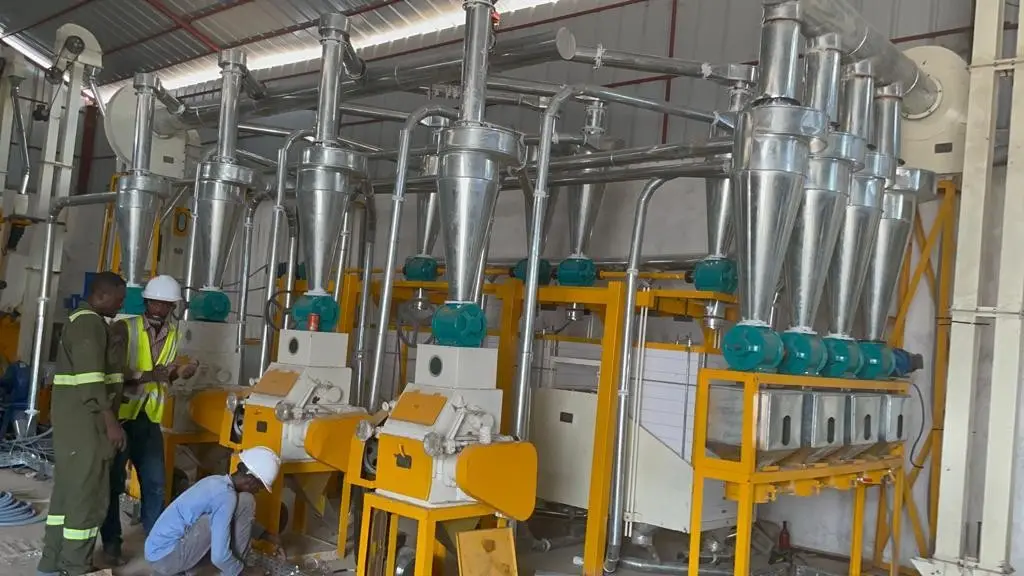
MANUFACTURING
Manufacturing in The Gambia remains saddled with two fundamental challenges – over taxation and the high cost of energy. Over the course of our history, a number of manufacturing outfits have gone out of business and to date this unfortunate circumstance remains a stark reality for any business in the sector or intending to venture in the sector.
Some manufacturing companies that have come and gone over the years include Banjul Breweries, Gambega, Coca Cola Bottling Company, Julsaf, Sankung Sillah & Sons, Hydara Foam Manufacturing, Mecalite Limited, Moukthara Holding Company Limited, amongst others.
These companies going out of business have not only contributed to the lackluster development of the sector but has gravely contributed to the worsening levels of unemployment and increase in misery and poverty along with all the other attendant vices of poverty. A number of manufacturing businesses have equally relocated to other countries in the sub-region, where the business environment is more friendly and where the cost of energy is relatively cheaper or where economies of scale exist given larger population size and higher per capita earnings.
The challenges besetting the manufacturing sector would require a conscious and deliberate strategy espoused at the highest level of leadership. Turning the fortunes of the manufacturing sector calls for a re-examination and re-assessment of our tax administrative system. The painstaking challenge of formalizing the informal sector with the objective of streamlining taxation is one measure that the country must deal with.
Beyond streamlining taxation and broadening the tax base, measures of reducing the tax burden, leveraging existing national instruments to ensure that reduction of the tax burden does not result in lower tax receipts, promoting progressive taxation schemes, and ensuring that tax Incentives, especially for Foreign Direct Investments, yield the intended benefits are all matters that should be collective and simultaneously prioritized and pursued.
These matters, in consideration of our Small Business Administration initiative and the strategy of the Private Sector being the engine of economic growth, would inform our approach to growing the manufacturing sector of the economy.
PTP Gambia Cares About Your Privacy
PTP Gambia uses cookies to personalize content, provide social media features, and analyze our traffic. We also share information about your use of our site with our analytics partners. You can change your preferences at any time. For more information, please see our Privacy Policy and Cookie Policy.