Leveraging the principles of Probity, Transparency, and Accountability to change the mindset of our diverse peoples
“The Sine qua non of Economic Development”
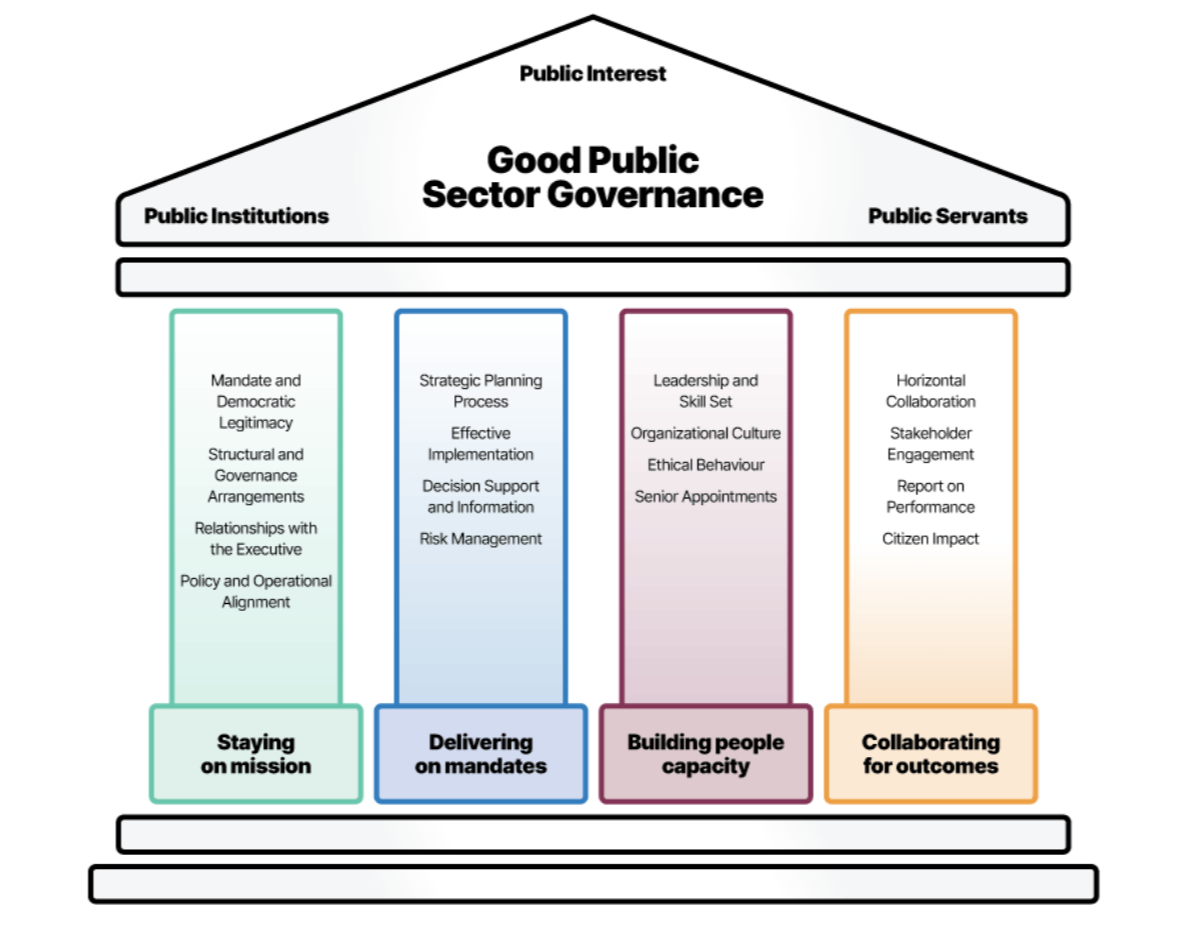
GOVERNANCE
Instituting an effective Governance Structure under the current realities of the State demands a thorough reassessment of the three arms of government, and this will begin with the Executive and its sphere of influence.
Within this reassessment objective, the thrust of our focus, as a Political Party, will be five-fold:
CIVIL SERVICE REFORM
(1) Meritocracy, Pragmatism, and Honesty (MPH)
We will usher in a new dawn of governance in The Gambia. The Civil Service machinery and by extension, the Parastatals, will be subjected to an MPH system of governance. The Civil Service machinery shall be run on a merit-system and to attain this, the long overdue task of undertaking a Civil Service Reform shall be undertaken with the objective of:
- Weeding out unqualified, ineffective, and political appointees
- Instituting Performance Management Systems
- Instituting a Civil Service built on meritocracy and apolitical appointments
AGILE GOVERNMENT
(2) Rightsizing Government
In our drive to optimize the workforce of government, in line with the business needs of the country, we will address the challenges of redundancies, ghost-workers, and ensure that the right-people occupy the right-positions. This will help usher in better efficiency, productivity, and cost effectiveness within the Cicil Service machinery.
In rightsizing the Government, we will:
- Create better paying employment opportunities linked to productivity and performance
- Institute a Civil Service machinery that is competency and merit driven
- Institute a Civil Service that is Honest, Pragmatic, and corruption intolerant
- Institute a Civil Service with predefined Career Pathing and Succession
- Institute a Civil Service that puts Gambia First, ahead of any selfish interest
EFFICIENCY & PRODUCTIVITY IN STATE-OWNED ENTERPRISES
(3) Re-examining State-Owned Enterprises & their role in Government
This is a paramount and essential element in our drive towards a better and enhanced governance framework. The current state of affairs of our State-Owned Enterprises (SOEs) leaves much to be desired. The majority, if not all SOEs, are struggling financially.
The administrations of the SOEs are poorly managed despite the past and current initiatives of subjecting them to Performance Management contracts. The fundamental structural challenges of SOEs remain and unless these are addressed the performance management initiative will be futile.
The structural challenges inherent in the SOEs have snowballed over the years. Principal among the challenges is politicizing the appointment of their leadership exacerbated by the double jeopardy of appointing political stalwarts to Board of Director positions rather than appointing competent citizens.
As a Party we shall undertake a comprehensive reassessment of the objectives for which SOEs were created, to ascertain, in view of our model of Private Sector led growth, if the SOEs are still relevant. On these grounds, we shall explore the possible:
- Divestiture of some of the SOEs to alleviate the financial burden and fiscal overhang placed on the Government
- Privatization of some of the SOEs, especially those providing essential services considered necessities but whose supply is inadequate in supply
- Restructuring of the SOEs into performance-oriented enterprises with the right governance framework
TECHNOLOGY DRIVEN GOVERNMENT
(4) e-Government
Institutionalizing and embedding e-Government will be one of our avenues to kick-start our fight against corruption and graft. As a Party, we will focus on getting the Civil Service, Public Service, and Local Government to adapt to an e-Government framework.
Adopting an e-Government framework will enable the country realize the following:
- Generate formidable savings for government. These savings shall finance critically needed investments in the Civil & Public Service
- Create opportunities for the citizenry to actively engage in the governance process of the country through established interactive e-government schemes
- Create e-Payment platforms through which transactions between the State and the Citizenry can be made for enhanced efficiency, cost savings, and improved turn-around times in service delivery
- Enhance transparency and access to requisite government literature or instruments of national interest
- Minimize the corruption inherent in the procurement of goods and services.
REVERSING RURAL-URBAN MIGRATION
(5) Decentralization
A central challenge to the ‘Rural-Urban’ migration phenomenon in The Gambia is the lack of formidable economic opportunities in the rural areas of the country, primarily the North Bank, Lower River, Central River, and Upper River Regions of the country. These four regions put together is home for 36% of the population (a drastic fall) but accounts for more than 70% of our arable land with the Central & Upper River Regions accounting for 90% of the country’s irrigable land.
In line with our Political Ideology, decentralization will be a key strategy in our Domestic Policy Governance Structure (DPGS). Through our DPGS we will unleash the economic development plans for the rural regions and communities with the ultimate objective of bridging the economic development gap between these regions and the regions of Banjul, Kanifing, and West Coast.
The Office of the Regional Governor shall become responsible, through a Strategic Plan Framework (SPF), for the realization of the economic, social, and environmental development plans of the regions of the country.
These plans shall take cue from the relevant National Economic Development blueprints and will be aligned to the repurposed provisions of the Local Government Authority Act.